When people search for a service on Google, they often visit websites that appear near the top of the results. But what helps a website earn those positions? Google looks at many factors, including useful content, website quality and links from other websites. These links play an important role in SEO because they help search engines understand how different websites connect. This process is known as link building.
For example, if a home improvement blog links to a local roofing business, it gives readers another way to find that business. It can also help search engines discover its website.
So, how does link building work, and why should your business care about it? Let’s explore.
What Is Link Building?
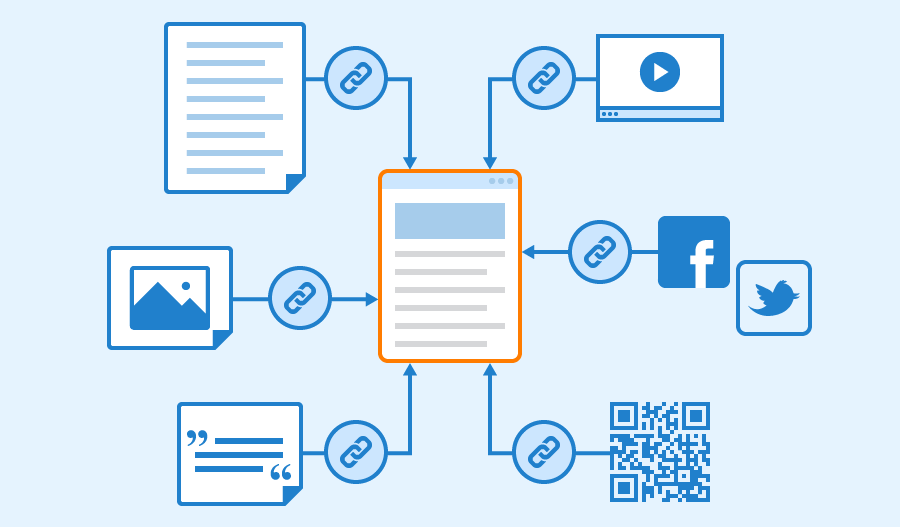
Link building is the process of getting other websites to link to pages on your website. These links are called backlinks or inbound links. They help connect your website with other relevant sources and give readers more ways to find your business.
For example, if you run a roofing business in Melbourne, a home improvement blog may link to your guide on roof maintenance. Readers can follow that link to explore your services. This also gives search engines another way to discover your content.
However, successful link building for SEO is not about collecting as many links as possible. It focuses on earning relevant links from trusted websites that add value to readers and support your website’s online visibility.
Why Does Link Building Matter for SEO?
A backlink can do more than send visitors to your website. It also gives search engines another way to discover your pages and understand how they relate to other content.
Google considers links as part of its search systems, along with many other signals. A relevant backlink can support your SEO efforts, but it does not guarantee a higher position.
Here are some ways quality backlinks can help your website.
1. It Helps Build Website Authority
When relevant websites link to your content, they can help strengthen your website’s reputation.
For example, a construction blog that links to your guide about building materials creates a relevant connection between the two websites.
SEO tools use measures such as Domain Authority (DA) and Domain Rating (DR) to estimate website strength. These are third-party metrics, not direct Google ranking scores.
2. It Can Improve Search Visibility
Quality backlinks can support your website as it competes for search positions.
For example, suppose you offer roofing services in Sydney. You publish a useful guide about roof maintenance, and a home improvement website links to it. This link gives readers another way to find your content and helps search engines discover the page.
Your content must still answer the searcher’s question and offer useful information.
3. It Brings Referral Traffic
Not every visitor needs to find your business through Google.
A person reading a home renovation article may click a link to your website because they need a roofer, electrician or carpenter.
This type of visit is called referral traffic. It can help you:
- Reach people who have an interest in your services.
- Bring visitors from relevant websites.
- Introduce your business to a new audience.
- Create more chances to receive enquiries.
4. It Helps Search Engines Discover Your Pages
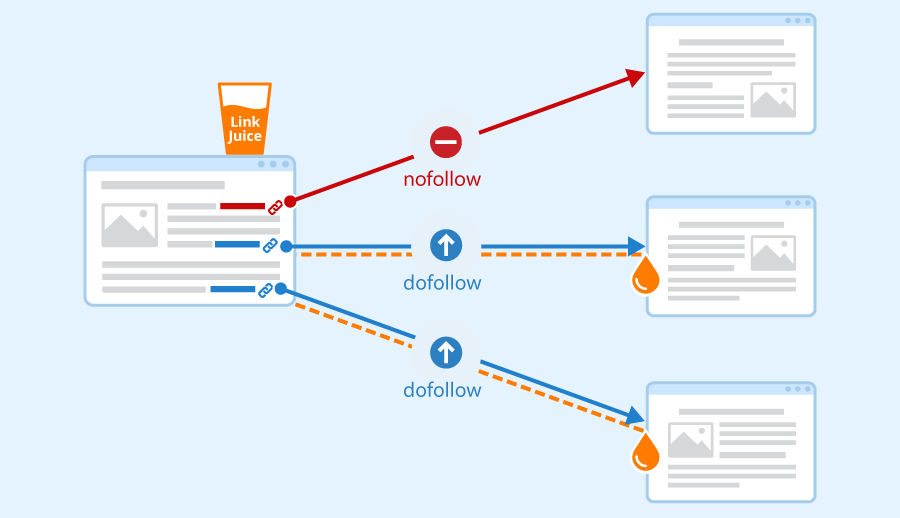
Google follows links to find pages across the web. When its crawlers visit a page, they can follow links to discover other content.
A backlink from a page that Google can crawl may help it find your website. However, a link does not guarantee that Google will crawl or index the page.
You can read Google’s guide to how Google Search works to learn more about this process.
What Are the Different Types of Links in SEO?
There are two main types of links that help connect pages across your website and the wider web.
1. Internal Links
Internal links connect one page on your website to another page on the same website.
For example, your blog about roof repairs can link to your roofing services page. This gives readers a clear path to explore your services.
Internal links can help you:
- Guide visitors to useful pages.
- Help search engines discover your content.
- Connect related blogs and service pages.
- Create a clear website structure.
A well-planned website design for tradies can help visitors move between your services, blog posts and contact information.
2. External Links
External links connect your website with another website. They include links from other websites to your pages and links from your website to outside sources.
For example, a local home improvement blog may link to your article about choosing a reliable electrician. This is an external backlink.
You can also link to trusted sources from your own articles to support facts and help readers find more information.
What Makes a Quality Backlink?
Not all backlinks offer the same value. A link from a relevant industry website can be more useful than a link from an unrelated site.
Here are five factors to check when reviewing a backlink.
Relevance
The linking website should cover topics related to your business. For example, a roofing business can gain a relevant link from a construction blog or home improvement website.
Website Quality
Check the website’s content, audience and reputation. Look for useful articles, real readers and a clear purpose.
Do not judge a website by its DA or DR score alone. These scores do not prove that a website has a genuine audience.
Link Placement
A link within a useful article gives readers a clear reason to visit your page. A link placed in an unrelated footer or hidden section may offer little value.
Anchor Text
Anchor text is the clickable text that contains a link.
For example, if a blog uses the words “roof repair services” to link to your roofing page, those words form the anchor text.
Use clear and relevant anchor text that tells readers what they will find after clicking. Avoid repeating the same keyword in every backlink.
Google explains how to use descriptive anchor text and crawlable links in its link best practices.
Referring Domains
A referring domain is a website that links to your website.
For example, if three different construction blogs link to your website, you have three referring domains. If one blog links to your website five times, you still have one referring domain.
Both backlinks and referring domains help you review your website’s link profile.
How Does Link Building Work?
A good link building strategy needs research, useful content and genuine relationships. It is not about collecting as many links as possible. The aim is to earn links from websites that make sense for your business.
Here are five steps to get started.
1. Research Your Industry
Start by finding websites, blogs and online resources that cover topics related to your trade.
Look at your competitors’ backlinks to find websites that may also link to your content. Check whether these websites have relevant articles, real visitors and useful information.
2. Create Useful Content
People are more likely to link to content that helps their readers.
For example, if you run an electrical business, you could publish guides about electrical safety, common wiring problems or home lighting.
You can create:
- How-to guides and useful tips.
- Industry research and statistics.
- Service guides and checklists.
- Answers to common customer questions.
These resources give other website owners a reason to mention your business.
3. Reach Out to Relevant Websites
Find website owners, editors and bloggers who publish content related to your industry. Send a personal email and explain why your content may help their readers. Avoid sending the same generic message to hundreds of websites.
A clear and useful suggestion can create opportunities for genuine editorial links.
4. Try Guest Posting
Guest posting means writing an article for another website. You share your knowledge with its readers and may include a relevant link to your website.
For example, a carpenter could write an article about choosing timber for home projects and link to a useful guide on their website.
Choose websites that have a real audience and publish content related to your industry. Do not use guest posts only to place keyword-rich backlinks.
5. Find and Fix Broken Links
Broken link building is a method that involves finding links on other websites that lead to missing or unavailable pages.
You can contact the website owner and suggest a useful page from your website as a replacement, if it covers the same topic.
This helps the website owner fix a poor visitor experience and gives your content a chance to earn a relevant link.
What Are Good and Bad Link Building Practices?
The difference between good and bad link building techniques comes down to how you get links.
Good link building focuses on useful content, genuine relationships and relevant websites. Bad link building relies on shortcuts that try to manipulate Google rankings.
Good link building practices
- Earn links through useful and original content
- Build relationships with relevant industry websites
- Write helpful guest articles for real readers
- Find genuine editorial opportunities
- Use natural and descriptive anchor text
Bad link building practices
- Buying links to manipulate search rankings
- Creating links through private blog networks (PBNs)
- Using link farms and automated link tools
- Submitting websites to low-quality directories
- Taking part in excessive link exchange schemes
Google’s spam policies list these practices as examples of link spam.
Google also uses systems such as SpamBrain to identify spam. Artificial links may be ignored or discounted, and serious violations can lead to ranking loss or manual action. The safest approach is to earn links through useful content and genuine editorial interest.
How Long Does Link Building Take to Show Results?
Link building is a long-term SEO activity, not a quick fix. You may receive referral visitors as soon as people click your links, but changes in search rankings can take longer.
The time depends on several factors:
- Your website’s current SEO condition
- Competition in your industry
- The quality and relevance of new backlinks
- Your content and technical SEO
- The number of pages you want to improve
There is no fixed timeline for ranking improvements. Keep building useful links and track your results over time.
How Can You Measure Link Building Results?
Getting backlinks is only one part of the process. You also need to check whether your efforts support your website’s growth.
Use Google Search Console and other SEO tools to track:
- Backlinks: How many links point to your website?
- Referring domains: How many unique websites link to you?
- Organic traffic: Are more people finding your website through Google?
- Keyword rankings: Are your target search terms gaining visibility?
- Referral traffic: Are people visiting your website through external links?
- Enquiries: Are visitors contacting your business?
You can use Google Search Console to review links to your website and monitor its search performance.
For trade businesses, it also helps to connect link building with a wider SEO strategy for tradies. This brings your backlinks, service pages and local search efforts together.
Final Thoughts
Link building helps connect your website with relevant sources across the web. Quality backlinks can support your website’s authority, help search engines discover your pages and bring visitors who may need your services.
The key is to focus on quality rather than quantity. Create useful content, build relationships with relevant websites and follow Google’s guidelines. Combine these efforts with strong service pages, internal links and a clear website structure.
If you want to improve your website’s search visibility and reach more local customers, explore our SEO services for tradies.
Have questions about improving your online presence? Get in touch with Website For Tradies to discuss your business needs and find the right SEO approach.
Frequently Asked Questions
What is the main purpose of link building?
The main purpose of link building is to earn quality backlinks from relevant websites. These links help people discover your content and support SEO efforts.
How many backlinks does a website need to rank on Google?
There is no fixed number. Focus on earning relevant, quality backlinks from trusted websites rather than collecting links to improve your Google rankings.
Are backlinks still important for SEO?
Yes, backlinks remain one of the signals used by Google. Relevant links can help search engines discover content and understand connections between websites.
How can small businesses build quality backlinks?
Small businesses can earn backlinks through helpful blogs, local business directories, guest posts and genuine relationships with relevant websites in their industry.